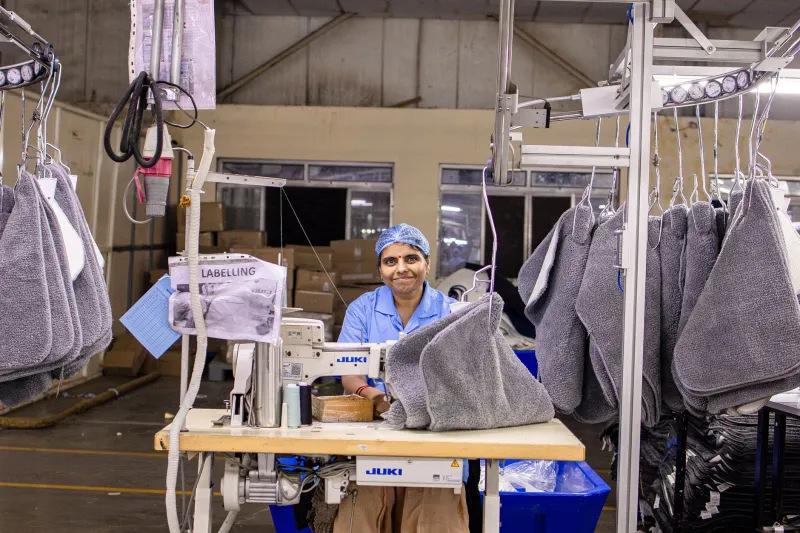
Before the Badge Goes On: A Five-Minute Station Check That Stops Rework Cold

Most assembly defects do not start with a dramatic bang. They start with a bracket flipped, a connector half-seated, or a torque wrench that clicked once when it should have clicked twice. By the time those little gremlins reach a quality gate, they have already cost somebody a rework ticket, a line stoppage, or a stern conversation. The fix does not always need a supervisor or a new SOP. Sometimes it needs five minutes and a worker who trusts their own eyes.
That is the idea behind a station self-audit: a short, repeatable check that belongs to the person doing the build. It is not a replacement for quality control. It is a first line of defense that keeps small errors from becoming shipped defects. And on a busy line, that difference matters.
Why Five Minutes Beats a Quality Gate
Quality gates catch problems after the fact. A self-audit catches them while the part is still in your hands. That is a much cheaper place to fix anything. You are not filling out a corrective action report. You are not waiting for an inspector to circle back. You are just asking, 'Does this station look right before I run the next unit?'
The routine also builds a habit of ownership. When workers know what 'good' looks like at their own station, they stop treating quality as somebody else's department. That is how you cut rework without adding meetings.
The Five-Minute Station Check
Run this at the start of your shift, after a changeover, or whenever something feels off. Keep it quick. The goal is not to write a novel. The goal is to catch the obvious stuff before it multiplies.
1. Torque: Verify the Tool, Not Just the Number
Check the torque wrench or driver against the setting on the work instruction. Then check the calibration sticker. A wrench that is set correctly but out of calibration is still a problem. Give the tool a quick function check if your station requires it. If anything looks questionable, flag it before the first unit, not after the fiftieth.
2. Part Orientation: Look for the Keyed, the Flipped, and the Almost-Right
Pick up the parts you are about to run and confirm orientation. Keyed connectors should seat without force. Left and right brackets should match the callout. Labels should face the direction the customer will see. If two parts look similar, slow down for a second and check the part number or bin label. The five-second pause beats a thirty-minute teardown.
3. Fastener and Fit: Check the First Unit Like It Is the Last
Run the first assembly through the full motion. Do the fasteners start cleanly? Does the panel sit flush? Is there any gap, rattle, or resistance that should not be there? A lot of misbuild traps show up in the first unit. If the first one feels wrong, stop and sort it out before the line gets into a rhythm.
4. The 'One-Off' Trap: Watch the Bin Changes
Most assembly pros know their station cold. The trouble comes when a kit changes, a bin gets swapped, or a temporary part number shows up. Before you run a new batch, compare the parts in front of you to the callout. Do not assume the bin is right because it was right yesterday. A quick glance at the label can save a whole pallet of rework.
5. Your Own Last Build: Give It the Skeptical Eye
Before you move on, look at the unit you just finished. Check the same three or four critical points you would check if you were the customer. Is the connector fully seated? Is the fastener torqued? Is the orientation correct? This is not about doubting your work. It is about catching the small stuff while it is still easy to fix.
What to Do When You Find Something
If your self-audit turns up a problem, do not bury it. Fix what you can at the station, and flag what you cannot. Tell your line lead if the issue affects other units or if the tooling looks suspect. Keep it specific: 'The left bracket is flipped on this batch' is more useful than 'something is wrong.' Specific information gets fixed faster.
And if you find the same issue twice, say so. A repeat problem is not a worker problem. It is a process problem, and it deserves a process fix.
Make It Yours, Not Management's
The best self-audits are short, visual, and owned by the people on the line. You do not need a laminated binder with twelve signatures. You need a routine you will actually run. Some workers keep a note card taped inside a toolbox. Some do a walkaround before the first cycle. Some just build the check into the first unit of every batch. All of those work if they are consistent.
The point is not to add bureaucracy. The point is to give yourself permission to stop a small defect before it becomes somebody else's headache. On a shop floor, five minutes of attention can save hours of rework. That is a trade most assemblers will take every time.