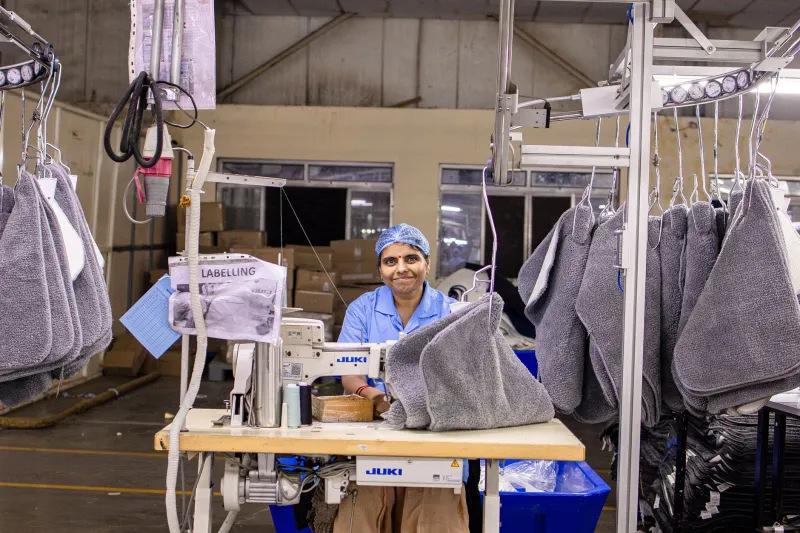
Peak Season Is Your Reputation: Protecting Quality When the Schedule Doubles
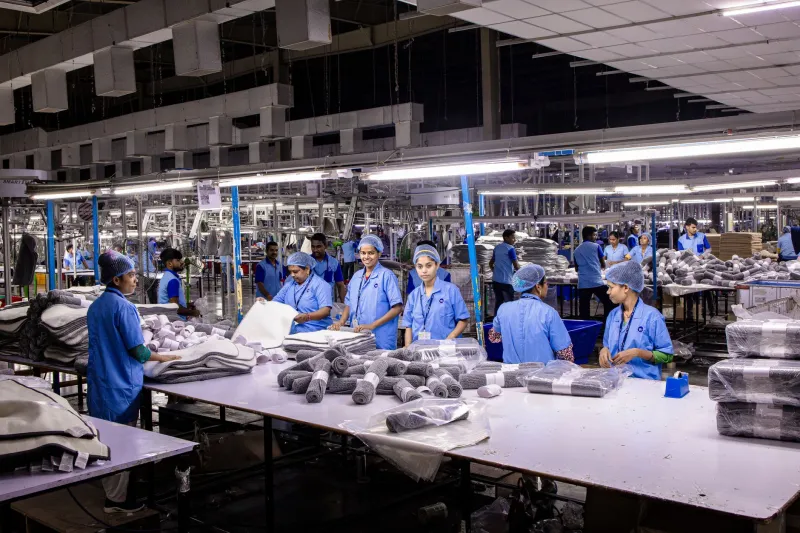
By the second week of November 2026, plenty of US assembly plants are already in the thick of it. Thanksgiving is close, Black Friday and Cyber Monday are looming, and holiday freight deadlines are stacking up. The schedule doubles. Overtime signs go up. Temps show up for orientation. And somewhere around the third consecutive ten-hour shift, somebody says the sentence that starts a lot of quality problems: 'Just get it out the door.'
Peak season is a test of the whole operation, but it is also a test of individual assembly pros. The way you handle the crunch gets noticed. Not just by supervisors, either. Line leads, quality techs, maintenance folks, and the people working next to you all see who keeps their head when the pressure is on. That is why peak season is less of a sprint and more of a career audition.
The Crunch Changes the Math
In a normal week, a small mistake might get caught downstream in a few hours. During peak season, downstream is buried too. Quality gates get busier. Rework benches fill up. A flipped part that would have been caught on a Tuesday afternoon might ride all the way to final inspection on a Friday night. That is not because anyone stopped caring. It is because the volume changes the odds.
The assemblers who do well in this environment are not the ones who work the fastest. They are the ones who build a rhythm that survives overtime. They pace themselves, they communicate early, and they know their own fatigue signals before a defect shows up.
Pace Like a Marathoner, Not a Sprinter
Peak season rewards consistency more than heroics. You cannot run at sprint speed for six weeks. If you try, your hands get sloppy before your brain notices. A better approach is to find a sustainable pace and protect it.
That might mean taking your full break instead of working through it. It might mean rotating between a detail-heavy station and a simpler one when your line lead allows it. It might mean doing a quick stretch or reset between batches. None of that is downtime. It is maintenance for the most important tool on the line: you.
One practical trick is to build in a micro-check after every batch change. It takes a few seconds to confirm that the parts in front of you match the callout. That tiny pause keeps you from carrying a mistake forward for an hour.
Talk Early, Talk Specific
A lot of peak-season quality issues come from information that arrives too late. A part substitution gets made in the morning, but the line does not hear about it until after lunch. A torque spec changes, but the old work instruction is still posted. A temp worker gets placed at a station without a full walkthrough because everyone is moving too fast.
If you see something that does not match, say it early and say it specific. 'The bin label says 14 mm, but these look like 13 mm' is useful. 'This batch feels off' is not. Specific information gets action. Vague concerns get a nod and a promise to look into it later, which is peak-season code for never.
The same goes for fatigue. If you are making mistakes you do not normally make, tell your line lead. 'I need a reset' is a professional sentence. It is not a confession. It is a quality control move.
The Fatigue Tell-Tales
Fatigue-driven mistakes have a pattern. They are not random. They show up as skipped steps, reversed parts, missed fasteners, and repeated small rework. If you notice yourself doing the same motion twice or second-guessing whether you already checked a connection, that is a signal.
Other tell-tales include:
- Reaching for a tool and grabbing the wrong one twice in a row.
- Missing a callout that you have known for months.
- Rushing the first unit after a break.
- Getting irritated by normal line noise.
- Skipping your own self-check because you are 'pretty sure' it is fine.
When you spot those signs, slow down for one unit. Not for the whole shift. Just one unit. Do it right, check it, and then ease back into the rhythm. That one-unit reset is often enough to break the fatigue loop.
Temp Workers Are Not the Problem
Peak season brings new faces to the line, and it is easy to blame quality issues on the temps. That is usually the wrong call. A temp worker who gets a proper walkthrough and a clear callout will do good work. A temp worker who gets a two-minute explanation and a pat on the back will struggle, just like anyone would.
If you are an experienced assembler, help the new folks. Show them the critical points at your station. Tell them which parts are easy to flip. Explain why the torque check matters. You are not doing management's job. You are protecting your own line from rework, and you are building a reputation as someone who lifts the team instead of complaining about it.
Protect the Handoff
The handoff between shifts is where peak-season quality goes to die. Everyone is tired. The line is behind. The temptation is to give a quick thumbs-up and walk away. Resist it.
Take two minutes to tell the next shift what changed, what is running, and what to watch for. If there was a part substitution, say so. If a tool was acting up, say so. If you had a close call on a misbuild, say so. A good handoff is not paperwork. It is respect for the next crew.
Your Career Is Watching
Peak season ends. The overtime stops. The temps go home. What remains is your reputation. The assemblers who get noticed for the right reasons are not always the fastest ones. They are the ones who keep quality steady when the schedule gets ugly. They communicate. They help the new people. They catch their own fatigue before it becomes a defect.
That is a career skill, and it is one you can practice right now. The holiday rush is not just something to survive. It is a chance to show what kind of assembly pro you are when the pressure is real.