Dave Is Not a Training Plan: A Deliberate First Week for New Assemblers
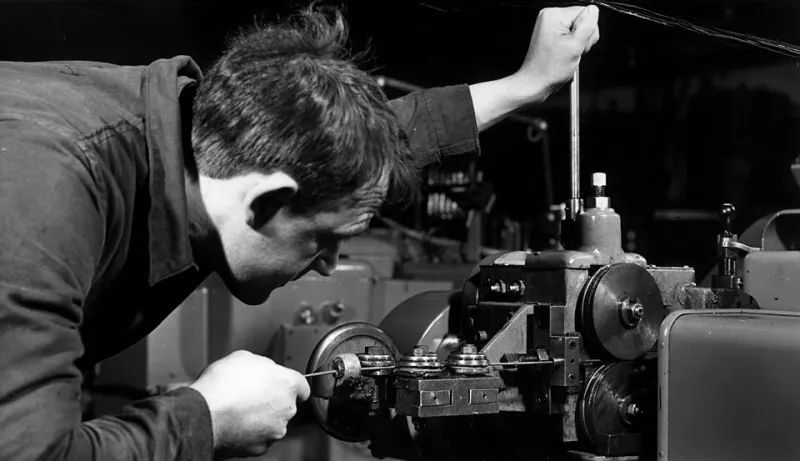
Photo: Tyne & Wear Archives & Museums, No restrictions, via Wikimedia Commons
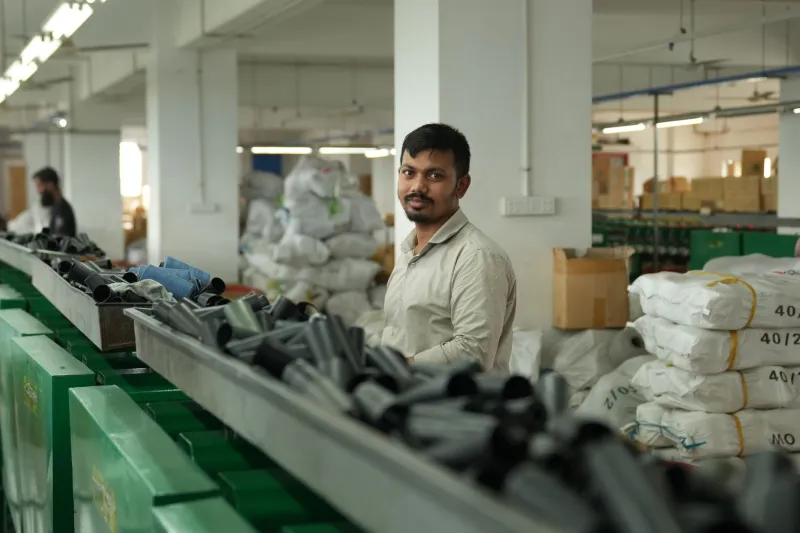
Monday, 6:02 a.m. The new hire signs the paperwork, clips on a badge, and gets walked to the line. Somebody points at the most experienced assembler in the building and says, 'Stick with Dave for a while.'
Dave is good. Dave has been building this product for years, and his hands know things his mouth has never had to explain. Dave also picked up a few shortcuts along the way that were never written down, and at least one of them is probably the reason your torque audit keeps flagging station 14.
None of that is Dave's fault. It is ours. When the onboarding plan is a person's name, it is not a plan. It is a hope with a timecard.
Shadowing Teaches Mimicry, Not Competence
Watching a skilled hand move through a work sequence has real value. You see the rhythm, you hear the sound a properly seated fastener makes, you get a feel for the pace. But shadowing answers exactly one question: what does the job look like? It never answers the questions that matter on a Tuesday afternoon when the trainee is alone at the station — why the bracket goes in this orientation, what to check before hitting start, and what to do when the fixture feels wrong.
Worse, shadowing hands the trainee a mixed inheritance. They copy the good technique and the bad habit in the same afternoon, and nobody separates the two because nobody wrote down which is which. Meanwhile the trainer loses throughput all week and gets zero credit for the effort. Everyone is busy. Nobody is deliberately building a competent assembler.
A First Week With Checkpoints, Not Vibes
The fix is not a binder. A binder gets handed over and never opened. What works is a short sequence with three checkpoints where the trainee has to demonstrate something in front of a witness. Three phases: one task done right, teach-back, supervised reps. Each phase ends in a signature, not a feeling.
Pick a single operation for week one. Not the whole station — one operation inside it, ideally the one that causes the most rework when it goes sideways. Mastery of one task beats a fuzzy acquaintance with nine.
Day One: Show It, Then Hand Over the Wrench
Walk the trainee through the standard work for that one task, and point at the work instruction rather than at your hands. Then do the part people skip: ask them to explain the sequence back to you before they touch anything. If they cannot describe it in their own words, they were watching your hands, not learning the job.
End the day with a demonstration. They run the task. You watch with your hands in your pockets. No rescuing. If they struggle, note where, and correct it at the top of day two.
Days Two and Three: The Teach-Back
Here is the checkpoint that separates training from babysitting — the trainee teaches the task back to the trainer. They run the operation, then walk a third person through it using the standard work sheet. Another assembler, a lead, anyone with a pulse and a clipboard. Every hesitation is a gap. Every 'I think you just...' is a gap.
It feels awkward for about ten minutes and then it becomes the most useful thing on the line. You learn what they actually absorbed, and you find out where your own standard work is vague. Half the time, the trainee's question exposes a work instruction that has been wrong since the last engineering change.
Days Four and Five: Supervised Reps With a Number Attached
Now they build, and you count — not the whole line's output, just first-pass yield on their one task. Keep the number small, visible, and updated by hand on the station board. Nobody needs a dashboard for five days of data. They need to see the number move.
Supervised reps are also where you start stepping back. By Friday the trainer should be at the next station over — available, not hovering. If the trainee cannot run twenty minutes without a rescue, the week did not fail. The plan just told you the truth early, which is the entire point.
The Skills Card: Three Boxes and Two Signatures
Paperwork is where good training plans go to die, so keep the record stupid-simple. One card per trainee, one row per task, three columns: Not Yet, With Check, Solo. The trainer initials and dates each move. The trainee initials too, because signing your own card is the first time the job feels like it belongs to you.
That card lives at the station, not in a filing cabinet. A supervisor photographs it once a week and moves on. No learning management system, no forty-page packet, no annual refresher that everyone clicks through in four minutes. A card that gets updated beats a database nobody reads.
Choose Trainers on Purpose
The instinct is to hand the new hire to whoever has the most seniority or the most free time. Fight that instinct. Pick the assembler who runs standard work the way it is written, who asks good questions, and who actually wants to teach. Then give them relief coverage for the training hours. If training time is invisible on the schedule, it will get eaten by production every single time — and your new hire will spend week two back next to Dave, learning shortcut number four.
The Pushback You Will Hear
'We do not have time for this.' Do the math once, honestly. Add up the rework from one bad week, the cost of a new hire who walks out in ninety days because nobody invested in them, and the trainer's lost throughput while half-teaching. The first-week map above costs maybe six hours of a lead's attention across five days. That is cheaper than one scrap bin.
New assemblers do not need a tour guide. They need a plan with checkpoints, a witness, and a card that tells the truth about what they can do. If your onboarding plan is somebody's name, change it this week. Dave will thank you — he never signed up to be a curriculum.