Three Repeat Defects, One Honest Hour: The Monthly Scrap Review Your Line Will Actually Use
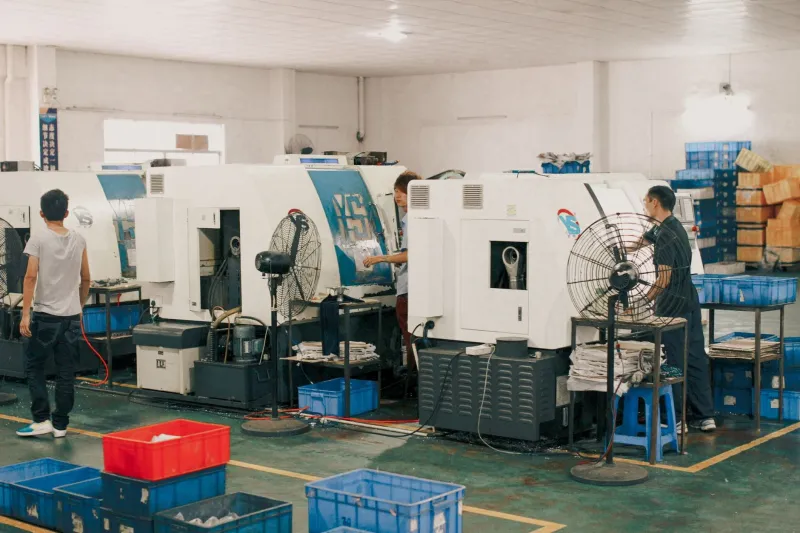
Every shop has a scrap bin, and every scrap bin has a story. Most of the time, we log the part, toss the evidence, and get back to the schedule. That keeps production moving, but it also means the same defect can clock in next week like it has seniority. A monthly scrap review changes that. Not a giant quality summit. Not a blame meeting with coffee. Just thirty focused minutes where the line picks three repeat defects and asks a better question: what about the station let this happen?
Pick a time the line can defend
The biggest threat to this meeting is not pushback. It is the calendar. If the review gets moved every time the schedule gets tight, it will die quietly. Put it on the same day and time each month, ideally near the floor and away from the end of a shift when everyone is already thinking about the parking lot.
Keep the guest list small. The line lead, one or two operators from the affected stations, and a quality or manufacturing engineer if they can add context. Bring the actual defect log, photos of the bad parts, the traveler or router, and a sample of the good part. If the defects are small or hard to see, bring a magnifier or a phone camera setup. The goal is not a courtroom. It is a clear look at the evidence.
Choose three repeat offenders, not the whole graveyard
A raw defect log can be depressing and useless at the same time. There are too many codes, too many one-offs, and too many entries that say something like misc. The fix is to filter before the meeting. Pull the last thirty days and look for repeats. Same defect code, same station, same part family, or same failure mode. Pick three. Not five. Not ten. Three gives the team enough room to dig without turning the hour into a data dump.
If the numbers are thin, use what you have. Three defects that showed up twice each are still worth reviewing if they are likely to return. The point is not statistical perfection. The point is learning from patterns the floor can actually act on.
Start with the station, not the person
This is where most scrap reviews go sideways. Someone asks who ran the part, and the room gets quiet. The operator feels accused. The lead gets defensive. Quality starts reading from a procedure. Nobody learns anything.
Set the ground rule out loud: we are here to study conditions, not people. Then ask station questions. Where does the part sit before it is picked up? Can the fixture load backward? Is the lighting good enough to see the witness mark? Does the tool hang within reach, or does the operator have to turn and grab it? Is the standard work clear at the point of use, or is it in a binder three aisles over?
If the answer sounds like operator error, keep going. What made the error easy? A part that looks symmetrical but is not. A torque tool with no clear run-down feedback. A bin that mixes two similar components. A sequence that asks for a check before the operator can actually see the feature. Those are station conditions, and they are fair game.
Document what you find in plain language. Avoid names, adjectives, and phrases that belong in a performance review. Write down the condition, the evidence, and where it was observed. Future you will thank present you for the clarity.
Turn each finding into a short training moment
A scrap review that ends with a list of actions is only half done. The best findings turn into quick training moments at the station, not a classroom session nobody has time for. For each of the three defects, build a five- to ten-minute one-point lesson. Show the good part and the bad part side by side. Point out the one feature or check that matters most. Let the operator practice it once. Then leave a photo or simple visual at the station so the lesson stays visible after the meeting ends.
Keep the training tied to the defect. If the issue is a misloaded fixture, the lesson is the load check, not a general lecture on quality. If the issue is a missing fastener, the lesson is the count and confirm step, not a speech about pride in workmanship. Short, specific, and practiced beats long, broad, and forgotten.
Write down what matters and leave out the rest
Good documentation does not need to be fancy. A simple log works: date, defect description, station, part number, containment action, station condition found, action owner, due date, and verification date. Add a photo when it helps. Keep the language neutral and factual.
Leave out the stuff that makes people defensive. No operator names. No guesses about attitude. No long narratives about how busy the shift was. The scrap review is not a diary. It is a learning record.
Check whether the fix actually stuck
This is the step most teams skip. They make the change, update the standard work, and move on. Then three months later the defect comes back wearing a different part number. Close the loop with a follow-up check. At the next monthly review, look at the defect rate for those three issues. Pull a small sample from current production if needed. Ask the operators whether the new check is still being used or whether it got quietly dropped when the schedule jumped.
If the fix did not stick, do not shame the station. Ask what changed. Did the visual fall off? Did the fixture get adjusted? Did a new operator get trained on the old method? The follow-up is not an audit. It is a pulse check on whether the learning survived contact with real production.
Make it a habit, not an event
A monthly scrap review works best when it feels normal. Rotate who facilitates it. Keep the same simple format. Celebrate the catches, especially the ones that prevented a defect rather than just finding one. If the meeting starts turning into a complaint session, reset it: three defects, station conditions, short training, follow-up date. That structure keeps the conversation useful.
The scrap bin is not just a cost of doing business. It is a tuition payment. A monthly review makes sure the line gets something back for it. Three defects, one honest hour, and a handful of short training moments can keep the same old rework from becoming the same old story.