Who Holds the Pen on Standard Work? Let the Line Draft Its Own Playbook

Walk through a lot of plants and you will find the same dusty binder. It has a tab for every station, a revision history longer than the line, and a work instruction nobody has opened since the last audit. The people building the product can recite the real method from memory. The binder describes a version of the job that may have been true three process changes ago.
That gap is not a discipline problem. It is an authorship problem. When standard work gets written in a conference room and handed down like a memo, the line treats it like a memo. When the people doing the work draft the method themselves, the sheet starts to earn a second look.
The Cell That Took the Pen Back
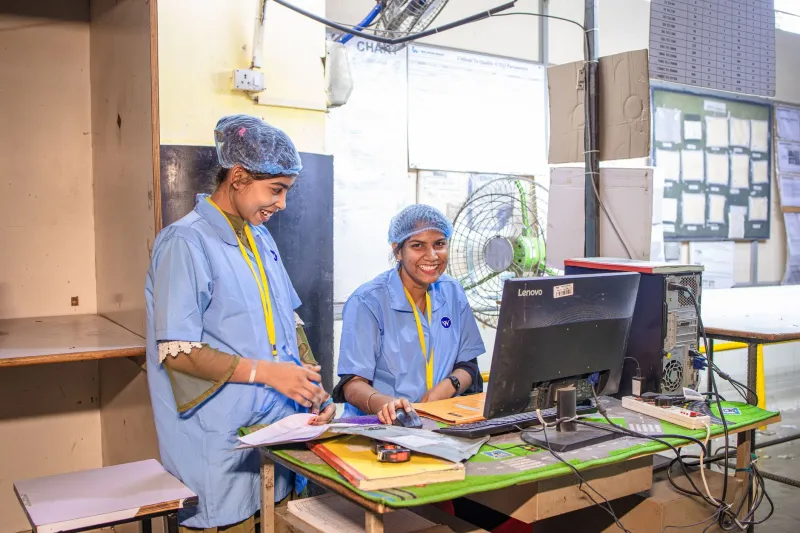
A few months back, a first-shift assembly cell in the Midwest got tired of rework tied to a torque sequence nobody followed. The supervisor could have rewritten the instruction and posted it. Instead, she tried something simpler: she asked two operators, one from each shift, to write the method as they actually performed it. Not as they thought an auditor wanted to see it. As they built it.
The first draft was rough. It had arrows, a coffee stain, and one step that said “seat it till it clicks, then give it a little extra.” That step did not survive review. But the exercise surfaced the real problem: the old instruction called for a sequence that made the part hard to reach. Operators had quietly rearranged the steps years ago. The paper never caught up.
Start With the Job, Not the Template
The temptation is to hand operators a corporate template with eleven fields and a font requirement. That turns authorship into paperwork. A better approach is to give them a blank one-pager and three questions:
- What do you pick up first?
- What tells you the step is done right?
- What do you check before the part leaves your station?
That is enough to start. The template can come later, once the content is real. In the cell above, the operators filled a single page with a rough sketch of the fixture, four numbered steps, and a short list of “looks wrong if” cues. It was not beautiful. It was accurate.
One Page, Three Columns, No Novels
Standard work has a way of growing into a short story. More detail feels safer, but pages of prose get skimmed. The cell settled on a one-page format with three columns: step, what good looks like, and what to do when it does not. That third column matters more than most offices realize. It gives operators a place to record the judgment calls they make every shift, the ones that usually live only in their heads.
The supervisor kept a few guardrails. Safety-critical steps stayed in the company format. Quality checkpoints stayed where the control plan required them. But the wording, the sequence notes, and the visual cues came from the line. The sheet started to sound like the people using it.
The Weekly Red-Pen Review
A standard written once still dies. The cell added a fifteen-minute review every Thursday, right before shift change. One operator from each shift, the team lead, and whoever owns the process walk the current sheet against the station. They ask three questions: Has anything changed? Is any step missing? Is any step written in a way a new hire would misread?
Changes get dated and initialed by the operator who proposed them. The team lead checks that safety and quality requirements still hold. Then the sheet goes back to the station. No committee. No three-week approval cycle. The review is short enough that people actually show up.
Training Value Without Drift
There is a fair worry here: if everyone writes their own method, do you get five versions of the same job? Not if the review stays disciplined. The operators are not inventing a new process. They are documenting the one that already works, in language the next person can follow. The team lead’s job is to protect consistency, not to rewrite every sentence.
In practice, the cell found the opposite of drift. New hires learned faster because the sheet matched what a trainer was actually saying on the floor. The “looks wrong if” column gave them a way to ask better questions. And experienced operators stopped treating the instruction as an office artifact. They started correcting it when it got stale.
Audit-Ready Does Not Mean Office-Written
Auditors want evidence that the method is controlled, current, and followed. They do not require that it was composed at a desk far from the line. A one-page sheet with a revision date, an owner, and a clear link to the control plan can satisfy the same requirements. What matters is that the document is live, not that it is polished.
The cell keeps a simple revision log on the back of the sheet. Every change has a date and an initials block. When an auditor asks how the method is maintained, the team lead can point to the Thursday review and the signed changes. That is a stronger story than a binder with no fingerprints on it.
What Leaders Actually Do
Handing over authorship is not abdication. The supervisor’s role shifts from writing the method to setting the boundaries: safety requirements, quality checkpoints, and the review cadence. She still signs off on changes that affect the control plan. She still stops the line when a draft step looks unsafe. But she does not need to be the source of every sentence.
That shift takes nerve. It also takes a little humility. The people closest to the work usually know where the instruction is wrong before anyone in the office does. Give them the pen, keep the guardrails, and review the sheet while the coffee is still hot. The standard stops being a document handed down and starts being a tool the line actually uses.